
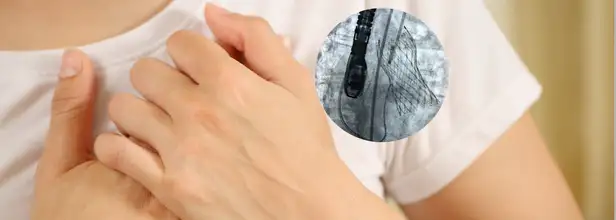
Heart valve diseases can significantly affect blood circulation and overall heart function. One of the most common and serious valve disorders is aortic stenosis, where the aortic valve becomes narrow and restricts blood flow from the heart to the rest of the body.
For patients who are at high risk for open-heart surgery, TAVI treatment has emerged as a revolutionary minimally invasive procedure. TAVI, also known as Transcatheter Aortic Valve Implantation, offers effective valve replacement with faster recovery and fewer complications.
If you are searching for advanced TAVI treatment in Aurangabad, understanding the procedure, benefits, and eligibility can help you make informed decisions about your heart health.
What is TAVI Treatment?
TAVI (Transcatheter Aortic Valve Implantation) is a minimally invasive cardiac procedure used to replace a damaged or narrowed aortic valve without performing traditional open-heart surgery.
During the procedure, a new artificial valve is inserted through a catheter, usually via a small incision in the groin or chest, and positioned inside the diseased valve.
TAVI is especially beneficial for elderly patients or individuals who may not be suitable candidates for conventional surgery.
Understanding Aortic Stenosis
Aortic stenosis occurs when the aortic valve becomes thickened or calcified, reducing blood flow from the heart.
Common causes include:
- Age-related calcium buildup
- Congenital heart valve defects
- Rheumatic fever
- High blood pressure
- Chronic kidney disease
Severe aortic stenosis can lead to serious complications if left untreated.
Symptoms of Aortic Valve Disease
Patients with aortic stenosis may experience:
- Chest pain or tightness
- Shortness of breath
- Fatigue
- Dizziness or fainting
- Irregular heartbeat
- Swelling in legs
- Reduced exercise tolerance
If these symptoms occur, immediate consultation with a cardiologist is essential.
Who is Eligible for TAVI?
TAVI is commonly recommended for:
- Elderly patients with severe aortic stenosis
- Patients at high surgical risk
- Individuals with multiple medical conditions
- Patients unsuitable for open-heart surgery
- Individuals requiring faster recovery
A cardiologist evaluates the patient’s overall heart condition, imaging results, and medical history before recommending the procedure.
How is the TAVI Procedure Performed?
The TAVI procedure is performed in a specialized cardiac catheterization laboratory.
Step 1: Pre-Procedure Evaluation
The patient undergoes diagnostic tests including:
- ECG
- 2D Echo
- CT Scan
- Blood tests
- Angiography
Step 2: Catheter Insertion
A thin catheter carrying the artificial valve is inserted through an artery, usually in the groin.
Step 3: Valve Placement
The new valve is carefully guided to the damaged aortic valve and expanded into place.
Step 4: Recovery and Monitoring
Patients are monitored closely after the procedure and usually recover faster compared to traditional surgery.
Benefits of TAVI Treatment
TAVI offers several advantages over open-heart surgery.
Minimally Invasive Procedure
No large chest incision is required, reducing surgical trauma.
Faster Recovery
Patients often return to normal activities much sooner.
Reduced Hospital Stay
Shorter hospitalization improves patient comfort and lowers recovery time.
Lower Risk for High-Risk Patients
TAVI is safer for elderly or medically fragile individuals.
Improved Quality of Life
Most patients experience significant relief from symptoms and better heart function.
Risks Associated with TAVI
Like any medical procedure, TAVI may involve certain risks, including:
- Bleeding
- Infection
- Stroke
- Irregular heartbeat
- Blood vessel complications
- Valve leakage
However, advancements in technology and experienced cardiac specialists have greatly improved the safety and success rates of TAVI procedures.
Recovery After TAVI Procedure
Recovery after TAVI is generally quicker than traditional surgery.
Patients are advised to:
- Follow prescribed medications
- Attend regular follow-up appointments
- Maintain healthy diet
- Avoid smoking and alcohol
- Monitor blood pressure and diabetes
- Engage in light physical activity as advised
Most patients can resume daily activities within a few weeks.
Importance of Early Diagnosis
Early diagnosis and timely treatment of aortic valve disease can prevent complications such as heart failure and sudden cardiac arrest.
Regular cardiac check-ups are especially important for older adults and patients with high blood pressure, diabetes, or existing heart conditions.
Why Choose Expert TAVI Treatment in Aurangabad?
Consulting an experienced cardiologist ensures accurate diagnosis, advanced imaging, and proper management of structural heart diseases.
Benefits of choosing expert cardiac care include:
- Advanced diagnostic technology
- Personalized treatment planning
- Minimally invasive cardiac procedures
- Comprehensive post-procedure care
- Preventive cardiology guidance
Preventive Heart Care Tips
Maintaining good heart health can help reduce the risk of heart disease and valve-related complications.
Eat a Heart-Healthy Diet
Consume fruits, vegetables, whole grains, and low-fat foods.
Exercise Regularly
Physical activity improves blood circulation and heart function.
Control Blood Pressure
High blood pressure increases strain on the heart.
Avoid Tobacco and Alcohol
Smoking damages blood vessels and affects heart health.
Get Routine Cardiac Check-Ups
Regular screenings help identify heart problems early.
Conclusion
TAVI treatment has transformed the management of severe aortic stenosis by offering a safe and minimally invasive alternative to open-heart surgery.
Patients suffering from valve disease can benefit from improved heart function, reduced symptoms, and faster recovery through advanced TAVI procedures.
If you are searching for trusted TAVI treatment in Aurangabad, consulting an experienced cardiologist can help determine the best treatment approach for your heart condition.
Early diagnosis, timely intervention, and healthy lifestyle choices are essential for maintaining long-term heart health.
FAQ Section
What is TAVI treatment?
TAVI is a minimally invasive procedure used to replace a damaged aortic valve without open-heart surgery.
Who needs TAVI procedure?
Patients with severe aortic stenosis who are at high risk for traditional surgery may require TAVI.
Is TAVI safer than open-heart surgery?
For many elderly or high-risk patients, TAVI is considered safer and offers faster recovery.
How long does TAVI recovery take?
Most patients recover within a few weeks and can resume normal activities gradually.
What are the symptoms of aortic stenosis?
Chest pain, breathlessness, fatigue, dizziness, and fainting are common symptoms.
SEO Image Alt Tags
- TAVI Treatment in Aurangabad
- Transcatheter Aortic Valve Implantation
- Heart Valve Replacement Procedure
- Best Cardiologist for TAVI
- Aortic Stenosis Treatment
- Structural Heart Disease Treatment
- Minimally Invasive Heart Procedure
Internal Linking Suggestions
- Angiography Services
- 2D Echo Test
- Heart Check-Up
- Preventive Cardiology
- Chest Pain Treatment