
Renal Angioplasty

Renal Angioplasty
Renal Angioplasty is a minimally invasive procedure used to open narrowed or blocked renal arteries, improving circulation and helping the kidneys function normally.
At our center, we provide advanced renal angioplasty procedures using modern catheter-based techniques to ensure safe, effective, and precise treatment.
Why Choose Renal Angioplasty?
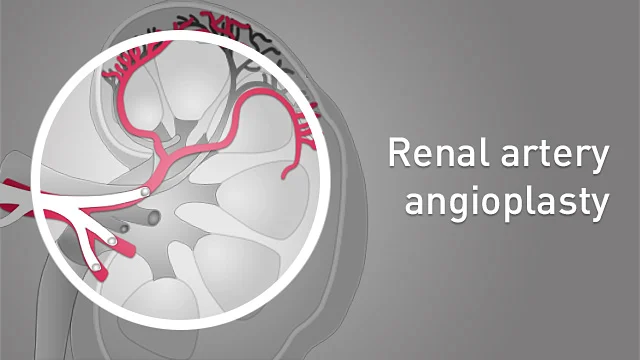
What is Renal Angioplasty?
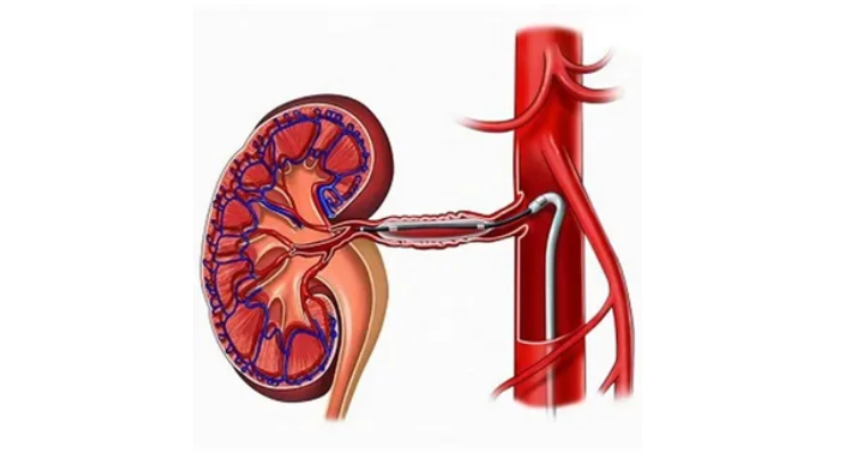
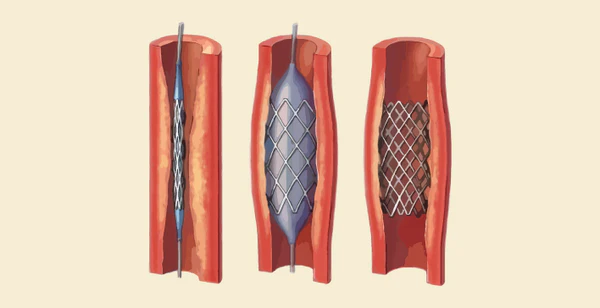
During the procedure, a thin catheter with a balloon at its tip is inserted through a blood vessel, usually from the groin or wrist, and guided to the blocked renal artery. The balloon is inflated to widen the artery and restore normal blood flow. In some cases, a stent may also be placed to keep the artery open.
The main goal of renal angioplasty is to improve kidney function and control high blood pressure caused by reduced blood supply to the kidneys.
How is Renal Angioplasty Performed?
Patient Preparation
The procedure is usually performed under local anesthesia with mild sedation.
Catheter Insertion
A thin catheter is inserted through a blood vessel in the groin or wrist.
Balloon Angioplasty
The balloon at the catheter tip is inflated to widen the narrowed renal artery.
Post-Procedure Monitoring
Patients are monitored for a short period before being discharged.
Who Needs Renal Angioplasty?
Renal angioplasty may be recommended for patients who have:
Renal Artery Stenosis: Narrowing of the arteries supplying blood to the kidneys.
Uncontrolled High Blood Pressure: High blood pressure that does not respond well to medications.
Reduced Kidney Function: Kidney damage caused by decreased blood flow.
Recurrent Fluid Retention: Swelling or fluid accumulation due to kidney-related circulation problems.
Why Choose Us for Renal Angioplasty?
Our cardiology team provides advanced vascular and cardiac interventions using modern technology and expertise.
Expertise in minimally invasive vascular procedures
Advanced diagnostic and imaging technology
Experienced interventional cardiology specialists
Comprehensive patient care and monitoring
Schedule Your Consultation Today
Consult our cardiology team today for accurate diagnosis and effective treatment for better kidney and heart health.