
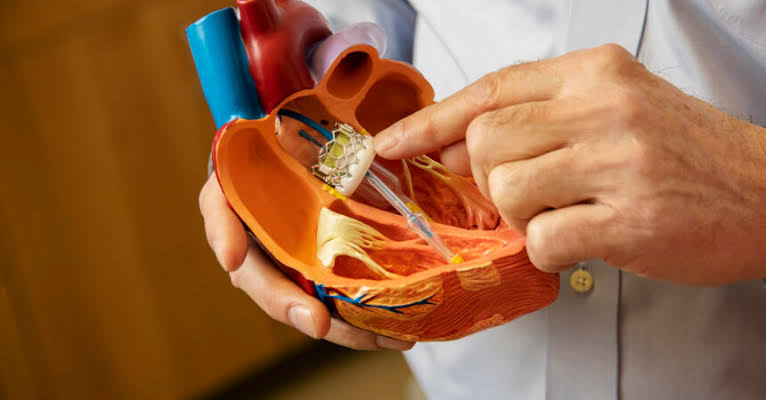
Choosing heart valve treatment can feel overwhelming, especially when weighing the benefits and risks of each option. This blog breaks down the TAVI (Transcatheter Aortic Valve Implantation) procedure in a simple, honest way — covering what it involves, its benefits, possible risks, and what recovery really looks like. As a specialist offering advanced TAVI Treatment in Aurangabad, Dr. Sumit Shejol guides every patient through this decision with clear, evidence-based information.
What Is the TAVI Procedure?
TAVI is a minimally invasive technique used to replace a narrowed or diseased aortic valve without open-heart surgery. A thin, flexible catheter carrying a collapsible artificial valve is guided through a blood vessel — usually from the groin — up to the heart. Once positioned accurately inside the old valve, the new valve is expanded and begins working immediately, restoring normal blood flow.
Step-by-Step: How the TAVI Procedure Works
1. Pre-Procedure Evaluation
Detailed tests including blood work, CT angiography, ECG, and 3D Echocardiography are performed to assess the heart’s structure and choose the correct valve size and access route.
2. The Procedure
Performed in a specialised cath lab under local anaesthesia or light sedation, the new valve is delivered via catheter and positioned precisely within the diseased valve using real-time imaging guidance.
3. Immediate Monitoring
After the valve is deployed, the patient is monitored closely to confirm the valve is functioning well and there are no immediate complications.
4. Hospital Stay
Most patients are mobile within a day and discharged within 3-5 days, considerably shorter than the recovery period needed after open-heart surgery.
Benefits of TAVI
- Minimally invasive — no chest opening or heart-lung bypass required
- Shorter hospital stay compared to traditional valve surgery
- Faster return to daily activities
- Suitable for elderly and high-risk patients
- Performed under local or light sedation in most cases
- Proven improvement in breathlessness, energy levels, and quality of life
Potential Risks and Complications
While TAVI is generally very safe, as with any cardiac procedure there are some risks, which your cardiologist will discuss in detail beforehand. These may include:
- Bleeding or bruising at the catheter insertion site
- Vascular access complications
- Irregular heart rhythm, sometimes requiring a permanent pacemaker
- Minor valve leakage around the new valve
- Rarely, stroke or kidney-related complications
Careful pre-procedure planning, precise imaging, and an experienced team significantly reduce these risks. This is why choosing an experienced Heart Attack Specialist in Aurangabad for your TAVI journey matters.
Recovery Timeline After TAVI
- Day 1: Most patients are able to sit up and begin light walking with assistance.
- Day 2-3: Gradual increase in mobility; vitals and valve function are monitored.
- Day 3-5: Discharge for most patients, with clear medication and activity instructions.
- Week 2-4: Gradual return to normal daily activities; first follow-up echocardiography.
- Month 1-3: Full recovery for most patients, with ongoing medication as advised and periodic cardiac review.
Life After TAVI: What to Expect
Many patients report a noticeable improvement in breathlessness, stamina, and overall energy within weeks of the procedure. Regular follow-ups, including periodic echocardiography and, if needed, Transesophageal Echocardiography, help ensure the new valve continues to function well over the long term.
Why Patients Travel to Aurangabad for TAVI Treatment
Dr. Sumit Shejol’s clinic is a trusted destination not only for local patients but also for those seeking TAVI Treatment in Mumbai, TAVI Treatment in Pune, TAVI Treatment in Nagpur, and TAVI Treatment in Nashik who prefer personalised, experienced care. The clinic also offers related advanced diagnostics and interventions, including Renal Angioplasty in Aurangabad for patients with associated vascular concerns.
Frequently Asked Questions
1. Is TAVI painful?
Most patients experience minimal discomfort, as the procedure is done under sedation or local anaesthesia rather than general anaesthesia.
2. How long do TAVI valves last?
Current data shows excellent durability, with most valves functioning well for many years. Your cardiologist will schedule regular reviews to monitor valve performance.
3. Can I resume normal activities after TAVI?
Yes, most patients gradually return to normal daily activities within a few weeks, guided by their doctor’s advice.
4. What tests are needed before TAVI?
Blood tests, ECG, echocardiography, and CT angiography are typically required to plan the procedure accurately.
Conclusion
The TAVI procedure offers a safer, faster, and equally effective alternative to open-heart valve surgery for many patients, particularly those who are elderly or at higher surgical risk. If breathlessness, fatigue, or valve disease is affecting your daily life, consult Dr. Sumit Shejol for expert TAVI Treatment in Aurangabad and a personalised recovery plan designed around your health.