
If your doctor has mentioned a leaking or narrowed heart valve and recommended a valve replacement, you may have come across the terms TAVI or TAVR. These advanced, minimally invasive procedures have changed the way heart valve disease is treated, especially for patients who are elderly or considered too high-risk for open-heart surgery. As a leading Heart Attack Specialist in Aurangabad, Dr. Sumit Shejol has helped hundreds of patients from Aurangabad and across Maharashtra understand their treatment options and choose the safest path to a healthier heart. This guide explains, in simple language, everything you need to know about TAVI/TAVR.
Understanding Aortic Stenosis: The Need for TAVI/TAVR
The aortic valve controls blood flow from the heart to the rest of the body. Over time, especially in people above 60-65 years of age, this valve can become stiff, thickened, or narrowed — a condition called aortic stenosis. When the valve narrows, the heart has to work much harder to pump blood, which can lead to breathlessness, chest pain, fatigue, dizziness, or fainting spells.
If left untreated, severe aortic stenosis can lead to heart failure or sudden cardiac events. Early diagnosis through tests such as an ECG, 2D Echo, or Transesophageal Echocardiography helps identify the severity of the valve narrowing and decide the right time for intervention.
What is TAVI/TAVR? A Revolution in Heart Valve Replacement
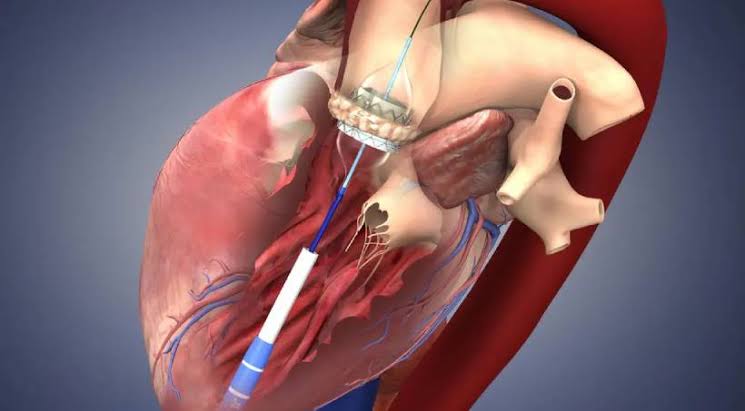
TAVI (Transcatheter Aortic Valve Implantation), also known as TAVR (Transcatheter Aortic Valve Replacement), is a modern, minimally invasive procedure used to replace a damaged aortic valve — without open-heart surgery. Instead of opening the chest, the cardiologist inserts a thin catheter through a small incision, usually in the groin artery, and guides a new, collapsible artificial valve to the exact position of the old valve. Once positioned, the new valve expands and starts functioning immediately, taking over the job of pumping blood efficiently.
Dr. Sumit Shejol offers advanced TAVI Treatment in Aurangabad, using state-of-the-art imaging and catheter-based techniques to ensure precision, safety, and faster recovery for every patient.
Who Is a Candidate for TAVI/TAVR?
TAVI/TAVR is generally recommended for patients who have:
- Severe symptomatic aortic stenosis
- High or intermediate surgical risk due to age or other health conditions
- Prior open-heart surgery, where a repeat surgery carries higher risk
- Other conditions such as diabetes, kidney disease, or lung disease that make open surgery risky
Before recommending the procedure, a detailed heart evaluation — including blood tests, CT angiography, and echocardiography — is carried out to confirm suitability. Patients from nearby cities also travel to Aurangabad for this evaluation, and the clinic supports patients seeking TAVI Treatment in Mumbai, TAVI Treatment in Pune, TAVI Treatment in Nagpur, and TAVI Treatment in Nashik who prefer consulting Dr. Shejol directly at the Aurangabad clinic.
TAVI vs. Open-Heart Surgery: A Comparative Look
Open-heart valve replacement requires the chest to be surgically opened, the heart to be temporarily stopped, and a longer hospital stay with weeks of recovery. It remains an excellent option for younger, lower-risk patients.
TAVI/TAVR is performed through a small puncture, generally under local or light sedation. Most patients are mobile within 24-48 hours and can return home much sooner. There is less bleeding, a lower risk of infection, and significantly reduced recovery time — making it especially suitable for elderly or high-risk patients.
The TAVI/TAVR Journey with Dr. Sumit Shejol
Every patient’s journey begins with a thorough consultation, followed by diagnostic tests such as 2D Echo, 3D Echocardiography, and CT imaging to map the heart’s anatomy precisely. On the day of the procedure, the team monitors the patient closely throughout, and most patients are shifted to a regular ward within a day. Dr. Shejol personally reviews each case to plan the safest and most effective valve size and approach for the individual patient.
Care Essentials: Do’s and Don’ts After TAVI/TAVR
Do’s
- Take all prescribed medicines, including blood thinners, exactly as advised
- Attend all follow-up visits and echocardiography reviews
- Gradually resume light walking and daily activities as guided by your doctor
- Keep the catheter insertion site clean and dry
- Monitor for swelling, breathlessness, or fever and report it promptly
Don’ts
- Avoid heavy lifting or strenuous exercise for the initial recovery period
- Don’t skip your blood-thinning medication without consulting your doctor
- Avoid long-distance travel until cleared by your cardiologist
- Don’t ignore new symptoms such as dizziness, chest discomfort, or irregular heartbeat
Why Choose Dr. Sumit Shejol for TAVI Treatment in Aurangabad
With years of focused experience in interventional cardiology, Dr. Sumit Shejol is recognised as a trusted Heart Attack Specialist in Aurangabad who combines advanced diagnostic tools with a compassionate, patient-first approach. From accurate diagnosis using Transesophageal Echocardiography to complex structural heart procedures like TAVI, patients across Aurangabad, Jalna, and the wider Marathwada region — as well as those travelling in from Mumbai, Pune, Nagpur, and Nashik — trust the clinic for reliable, evidence-based cardiac care.
Frequently Asked Questions
1. Is TAVI a major surgery?
No. Unlike traditional open-heart surgery, TAVI is a catheter-based procedure performed through a small puncture, usually in the groin, without opening the chest.
2. How long does the TAVI procedure take?
The procedure typically takes 1-2 hours, depending on the patient’s anatomy and overall health condition.
3. Is TAVI safe for elderly patients?
Yes, TAVI was specifically developed for elderly and high-risk patients who may not tolerate open-heart surgery well. It has an excellent safety record in this age group.
4. How soon can I go home after TAVI?
Most patients are discharged within 3-5 days, and many are walking comfortably within 24-48 hours of the procedure.
5. Will I need medication after TAVI?
Yes, blood-thinning and heart medications are usually prescribed for a period after the procedure to support healing and prevent complications.
Conclusion
TAVI/TAVR has transformed the outlook for patients with severe aortic valve disease, offering a safer, faster, and less invasive alternative to open-heart surgery. If you or a loved one is experiencing breathlessness, fatigue, or chest discomfort, don’t delay evaluation. Book a consultation for expert TAVI Treatment in Aurangabad with Dr. Sumit Shejol and take the first step toward a stronger, healthier heart.